Rubber Sole Protectors vs Restoration
Two very different ways of dealing with worn Louboutin soles.
When Louboutin soles wear down, the most common suggestion is to add rubber protectors to the front of the sole. Others choose repainting or restoration instead. These approaches solve the same problem in very different ways. The difference is not just durability — it is how the sole ultimately looks.
See Our ResultsThe Basics
What Rubber Sole Protectors Do
Rubber sole protectors — sometimes called Topy or rubber half soles — are thin layers of rubber applied to the front section of the outsole. They are typically glued or cemented directly over the existing sole surface.
The purpose is to shield the original leather sole from direct contact with the ground. They improve traction on smooth surfaces and absorb the wear that would otherwise degrade the red lacquer finish.
In practice, the rubber physically covers the front portion of the red sole. The original surface is preserved underneath, but it is no longer visible.
Common Choice
Why Rubber Protectors Are Popular
Rubber protectors are the default recommendation from most cobblers. They are quick to apply, relatively affordable, and widely available. Many Louboutin owners hear about them first — either from a cobbler, a friend, or online advice.
They solve two practical problems at once: they prevent further wear to the original sole and they add grip on slippery surfaces. For people who prioritize function over appearance, protectors are a straightforward solution.
Because of their availability and low cost, they are often applied preemptively — sometimes before the shoe has been worn at all.
The Tradeoff
How Protectors Change the Look of the Sole
The most significant effect of rubber protectors is visual. The rubber layer covers the front portion of the red sole, creating a visible boundary between the protected area and the remaining exposed red.
The rubber adds a slight but noticeable change in thickness to the front of the shoe. The texture shifts from smooth lacquer to a matte, textured rubber surface. The transition line between rubber and sole is usually visible.
The iconic continuous red sole — the design element the shoe is known for — is interrupted. The sole still has red on it, but it no longer reads as a single, clean, lacquered surface.
This is not a flaw in the protector — it is the nature of the approach. Covering a surface changes how it looks.
The Alternative
What Red Sole Restoration Aims to Do
Restoration takes a different approach entirely. Rather than covering the worn sole, the goal is to rebuild the appearance of the original red lacquer finish.
This involves surface preparation, color rebuilding, and finish refinement — producing a glossy, uniform red surface that preserves the visual identity of the sole as it was designed.
No rubber is added. No overlay is applied. The sole remains a single, continuous red surface. For a more detailed explanation of the restoration process, see our guide to Louboutin sole repair.
Choosing
When Protectors Make Sense — And When Restoration Does
Protectors
For people who want to prevent wear before it happens, who need additional traction on specific surfaces, or who prioritize functional protection over the original visual finish. The sole will look different, but it will last longer against daily use.
Restoration
For people who want the sole to look the way it was designed to look — a clean, glossy, continuous red lacquer surface. Restoration is typically chosen after wear has occurred, by people who care about preserving the original visual character of the shoe. For more on wear levels and when to restore, see our guide to fixing red bottoms.
Side by Side
How the Two Approaches Look
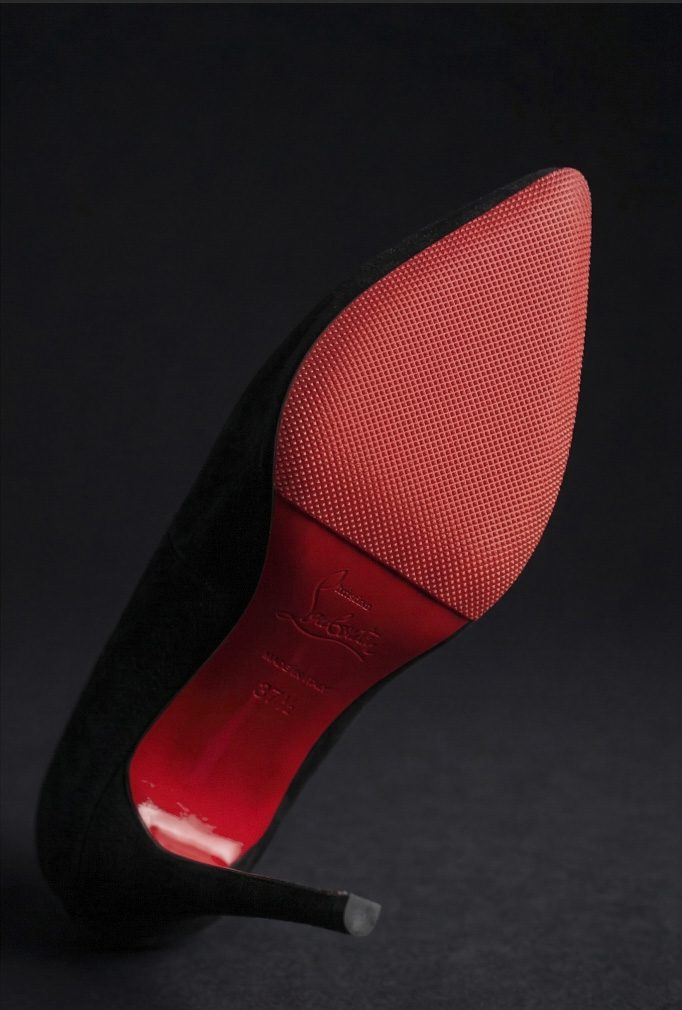
Rubber overlay
Covers the front sole with textured rubber
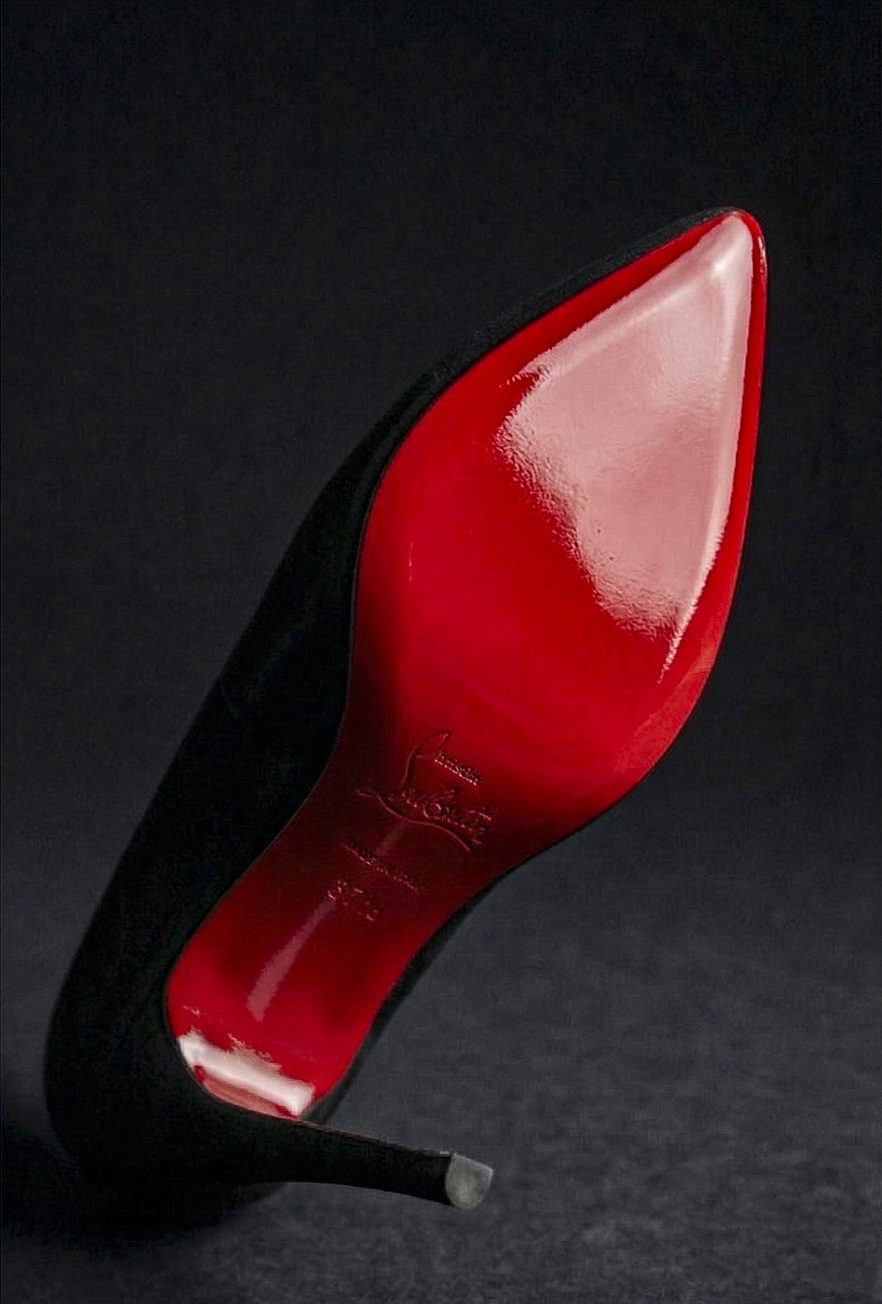
Red Century restoration
Clean, glossy red lacquer finish
Common Questions
Questions About Louboutin Sole Protectors
Should you put protectors on red bottoms?
It depends on what matters to you. Protectors add grip and prevent wear, but they cover the original red sole. If the visual appearance of the sole is important to you, protectors change it permanently. If traction and durability are the priority, they are effective.
Do rubber protectors damage Louboutins?
Protectors do not damage the shoe structurally. The rubber is applied to the outsole and can extend the life of the shoe by absorbing wear. The change is visual — the red sole is no longer fully visible, and the sole profile is slightly altered.
Can protectors be removed later?
Technically, yes — rubber protectors can be removed. However, the adhesive used to attach them can leave residue or affect the surface underneath. The original sole beneath may show signs of the removal process. Clean removal is not always guaranteed.
Are protectors better than repainting?
They solve different problems. Protectors add a physical layer of protection. Repainting is a cosmetic fix that addresses the appearance of the red. Neither produces the same result as restoration, which focuses on recreating the original lacquer finish.
Can you restore a sole after rubber protectors?
In most cases, yes. Once the protector is removed and the surface is properly prepared, the sole can be restored. The process may be more involved depending on the condition of the sole underneath, but restoration after protector removal is a common scenario.
Not sure what's right for your shoes?
Resole vs Repaint vs Protect vs Century — Which Option Is Right?Protection vs Preservation.
Rubber protectors solve the problem of wear by covering the sole. Restoration solves it by rebuilding the appearance of the red finish. Which approach someone chooses depends on whether they prioritize protection or the original visual character of the sole.
Limited intake — request your restoration today.