Every Way to Repair Louboutin Red Soles
Eight methods. Real trade-offs. One honest comparison.
The red sole wears from the first step on pavement. Louboutin offers no in-house repair service. Owners are left with a landscape of imperfect solutions — rubber overlays, professional repainting, DIY paint, clear films, glossy Italian rubber, and now the brand's own Everlasting Red coating. Every method carries trade-offs, and no third-party product can legally replicate the exact Louboutin shade of red.
See Our ResultsThe Root Problem
Why Red Soles Wear So Fast
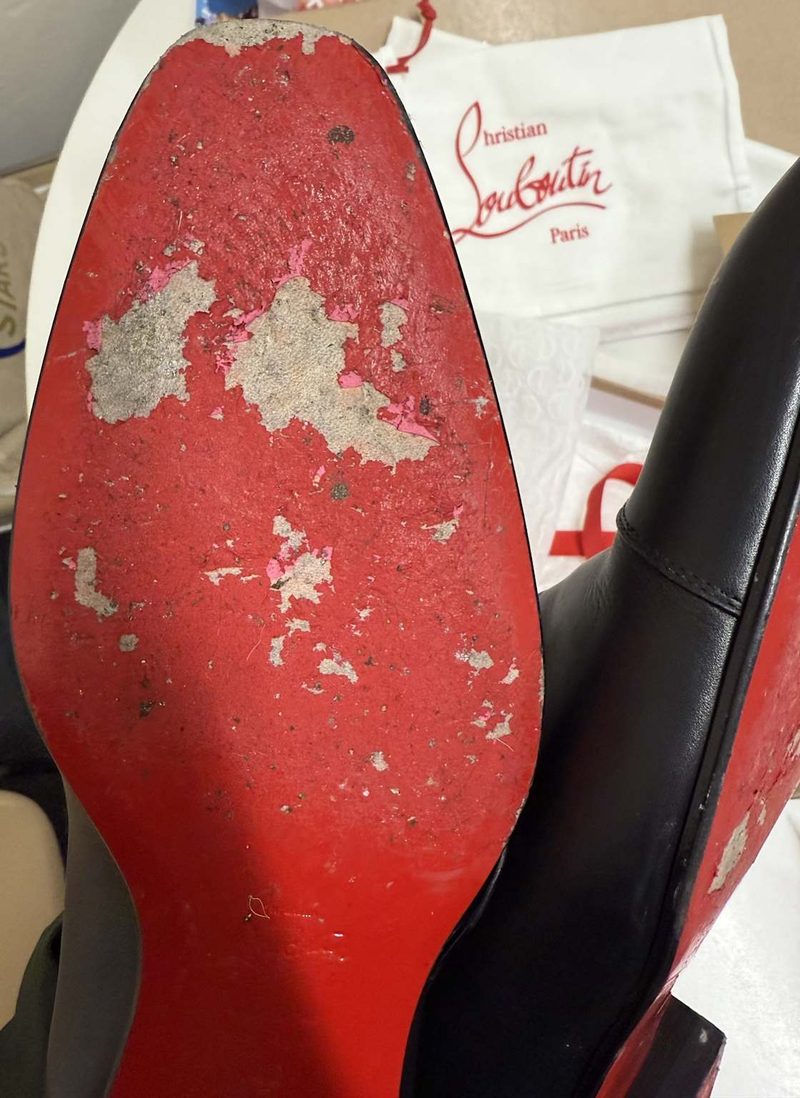
The signature red is lacquer applied over European beige leather. Lacquer sits on the surface rather than penetrating the substrate, so friction strips it away from the very first step on hard ground. The brand's own product care page states plainly that sole wear is normal — not a defect.
The damage follows a predictable pattern: the ball of the foot and heel tip degrade first, the arch retains color longest. Moisture accelerates the process dramatically — wet pavement can destroy a sole in a single outing.
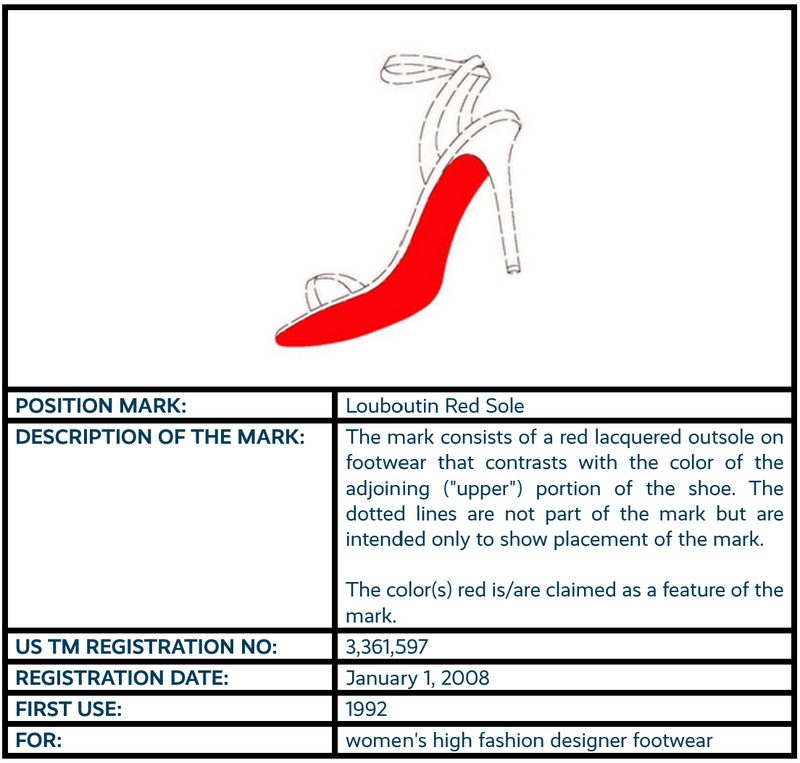
Every repair option is further constrained by a legal reality: Louboutin holds trademark protection on the exact shade of red used on its soles. No commercial product — rubber, paint, or film — can legally replicate that precise color. Every alternative is, by necessity, slightly off.
The Full Landscape
Eight Repair & Protection Methods
Method 1
Professional Sole Repainting
Professional refinishing retains the original leather sole and restores the red finish using specialist paints and sealers, typically applied via airbrush. The result can closely mimic the original lacquer when done well — but the red is reapplied to the same leather substrate and faces the same friction, so it begins wearing again almost immediately.
Repainting must be repeated indefinitely, making it most appropriate for occasional-wear shoes. Color consistency between repainted areas and remaining original lacquer can vary. For more on how this compares to restoration, see our guide to Louboutin sole repair.
Cost
$75 – $115
Durability
Low
Color Match
Good
Method 2
Vibram & TOPY Red Rubber Half-Soles
The most widely recommended long-term solution. A thin red rubber half-sole is adhered to the ball-of-foot area after the original leather is sanded to create a bonding surface. Vibram and TOPY Elysee are the dominant brands, both imported from France.
The rubber adds meaningful grip and lasts well — but it is consistently described as noticeably darker than the original lacquer, and tends to turn brownish with wear. Installation is irreversible: the original red lacquer is ground away in the process. The community consensus is to wait until the red has already worn before applying rubber. For a deeper look at how rubber overlays change the shoe's appearance, see our comparison of protectors vs restoration.
Cost
$45 – $65
Durability
Excellent
Color Match
Poor
Method 3
Casali Mirror Soles
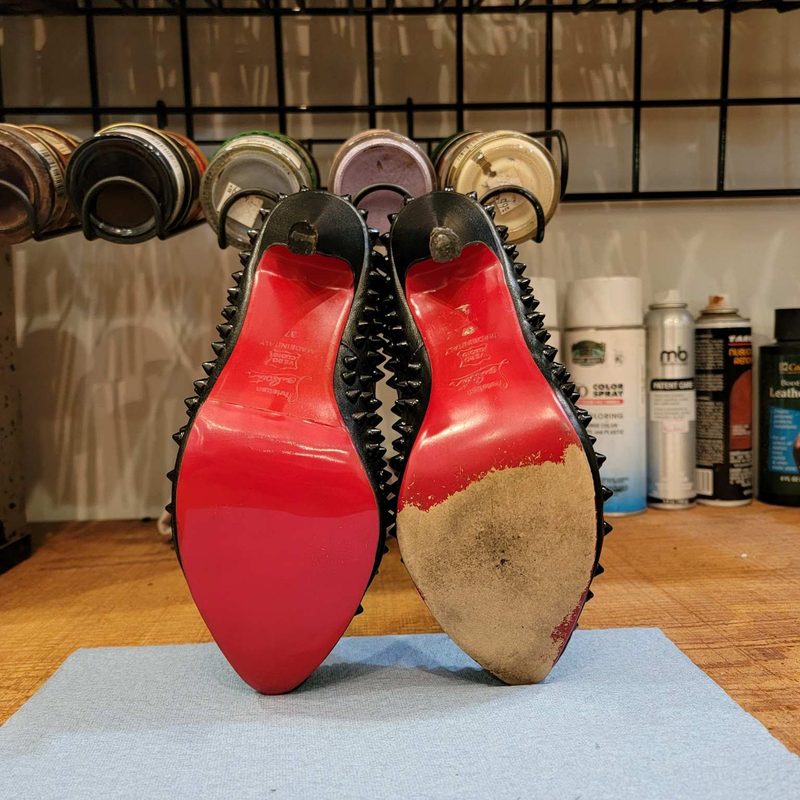
An Italian-manufactured glossy rubber half-sole that mimics the sheen of the original lacquer far more convincingly than matte Vibram. Applied using the same sanding-and-adhesive technique. Community reception has been notably enthusiastic — many owners report the result is nearly indistinguishable from the original at a glance.
The color is still not a perfect match — no commercial product can be, by legal restriction — but the offset is less pronounced than with Vibram. Availability is patchier: not every cobbler stocks Casali, particularly outside major cities. The soles can also be slippery during the initial break-in period.
Cost
$65+
Durability
Very Good
Color Match
Very Good
Method 4
Clear Film Sole Protectors
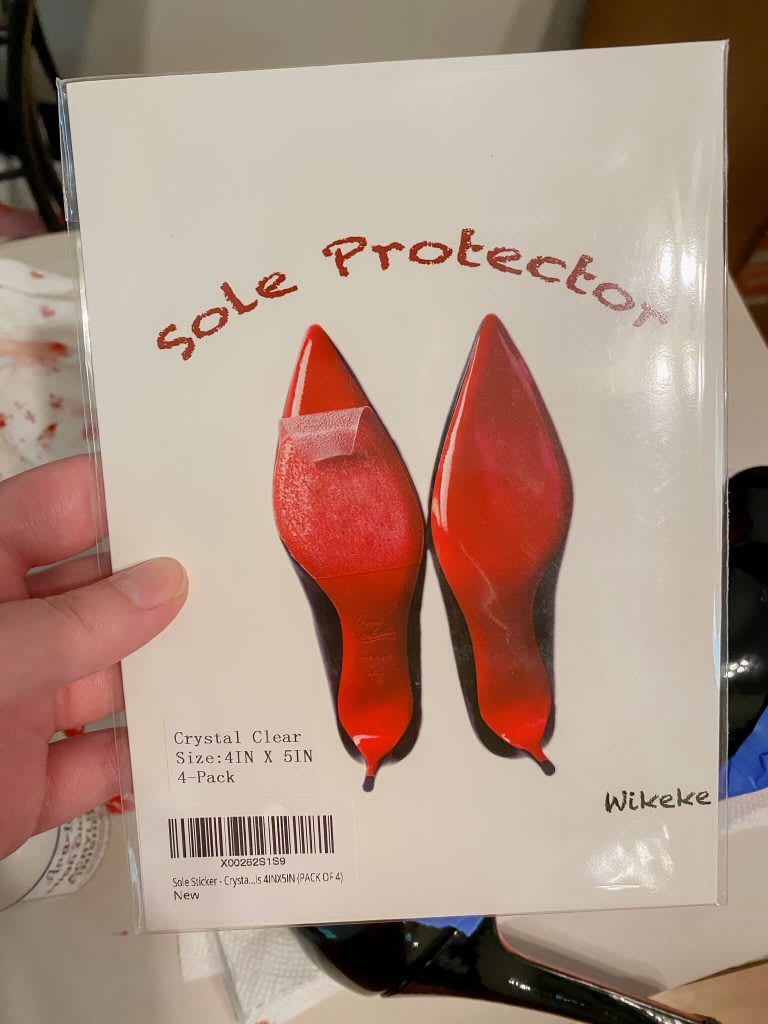
Transparent vinyl or polymer films applied directly over the original lacquer. Brands include Protect My Pumps, SoleGuard USA, and 3M. The appeal is obvious: the red sole remains visible through the clear material.
The reality is less appealing. The adhesive frequently pulls off the original red paint on removal — sometimes after a single wear. Professional cobblers consistently advise against them: they last only one to two wears, they often make the sole more slippery, and the recurring cost adds up quickly. Despite this, they remain popular for their aesthetic non-invasiveness.
Cost
$15 – $30
Durability
Very Poor
Color Match
Invisible
Method 5
DIY Angelus Walk on Red
The most accessible DIY option. A stain-type paint with a hardening agent, specifically formulated for leather soles. Applied by hand in three to five thin coats after light sanding, then sealed with a gloss finisher.
The dominant complaint is color mismatch. The Angelus red has a noticeable orange cast compared to Louboutin's deep crimson — a gap that is structural, not a product failure. Without airbrush equipment, brush application also leaves visible stroke lines. The paint wears off at roughly the same rate as the original lacquer, making it a short-term fix at best. It does not work on rubber outsoles (trainers, sneakers).
Cost
$9 – $15
Durability
Low
Color Match
Poor
Method 6
Christian Louboutin Nail Polish
Some owners have tried Rouge Louboutin nail polish as a sole touch-up, reasoning that the brand's own product should match. Reviews are uniformly negative. Nail polish is too thick for sole application, prone to streaking and bubbles, and wears off within days. It was never formulated to withstand friction against the ground. The color — while closer to the original than Angelus in some batches — still varies by year.
Cost
~$50
Durability
Very Poor
Color Match
Fair
Method 7
Heel Tip Replacement
Among the most frequently needed and most straightforward repairs. Louboutin ships replacement heel tips with every pair, and the brand's customer care will mail replacements for free upon request. A cobbler replacement is routine.
The critical rule is timing: replace tips before the metal pin beneath the plastic tip is exposed. Once metal makes contact with hard floors, it causes irreversible damage to the heel block above. This is the cheapest repair on this list and one of the most consequential.
Cost
$25 – $50
Durability
Very Good
Color Match
Perfect (OEM)
Method 8
Everlasting Red Sole
Louboutin's own answer to the durability problem. An innovative coating introduced with the Miss Z collection and expanded to select men's styles. It directly addresses the core complaint — but introduces a visible seam where the everlasting coating meets the standard construction.
The collection is limited to specific silhouettes. The vast majority of the catalogue — including the So Kate, Pigalle, and most classic styles — still ships with the vulnerable lacquered leather sole. Not available as a retrofit.
Cost
Retail price only
Durability
Excellent
Color Match
Perfect
At a Glance
Method Comparison
| Method | Cost | Lasts | Color | Key Risk |
|---|---|---|---|---|
| Vibram / TOPY | $45–65 | Years | Darker, browns | Irreversible |
| Casali Mirror | $65+ | Years | Close match | Patchy availability |
| Pro Repainting | $75–115 | Weeks | Good | Must be repeated |
| Clear Film | $15–30 | 1–2 wears | Invisible | Peels off original red |
| Angelus DIY | $9–15 | Weeks | Orange cast | Color mismatch |
| CL Nail Polish | ~$50 | Days | Variable | Not sole-grade |
| Heel Tips | $25–50 | Months | OEM match | Delay risks heel block |
| Everlasting Red | Retail | Years | Factory match | Limited models only |
Worth Knowing
How Sole Condition Affects Resale Value
Sole condition is one of the primary factors in resale pricing on platforms like The RealReal, Vestiaire Collective, and Poshmark. Pristine red soles — unscuffed, with no degradation — mark shoes as near-new and command premium pricing. Even light wear can drop a pair from the top condition tier.
Shoes that have been professionally resoled with Casali or Vibram are generally treated as value-neutral by buyers — particularly for pairs that were already worn. But pristine-sole buyers who want the original lacquer intact will pay more for unmodified soles. The practical takeaway: modification of already-worn soles does not hurt resale, but modification of pristine soles can.
The Missing Option
Where Restoration Fits In
The methods above fall into two camps: those that cover the sole (rubber overlays, clear film) and those that repaint it (professional airbrush, DIY paint, nail polish). Neither camp aims to recreate the original visual character of the lacquer finish — the specific hue, sheen, and depth that make a Louboutin sole look like a Louboutin sole.
Restoration is a different approach entirely. Rather than covering or simply recoloring the worn surface, the goal is to rebuild the appearance of the original red lacquer. Surface preparation, layered color rebuilding, and finish refinement produce a glossy, uniform result that looks like the sole was designed to look — not like a repair.
For more on the difference between repair and restoration, see our guide to Louboutin sole repair or explore how to fix red bottoms at every wear level.
Every method on this page solves the wear problem. Only restoration solves it while preserving the original look.
Common Questions
Questions About Red Sole Repair Options
What is the best way to repair Louboutin red soles?
It depends on your priorities. For maximum durability, Casali mirror soles offer the best combination of longevity and color accuracy. For preserving the original visual character of the sole, restoration is designed specifically for that purpose. Vibram is the most affordable and widely available long-term option but changes the color noticeably.
Why can't any product perfectly match the Louboutin red?
Louboutin holds trademark protection on the precise shade of red used on its soles — Pantone 18-1663TP. This protection was upheld by U.S. and EU courts. No manufacturer of commercial repair products can legally replicate that exact shade, which is why every rubber sole, paint, and film protector is slightly off.
Should I add sole protectors to brand new Louboutins?
The community is divided. Rubber half-soles require sanding away the original lacquer, so many owners wait until the red has worn naturally before applying them. Clear film protectors risk pulling off the original paint on removal. Some experienced owners simply wear the shoes and enjoy them, intervening only when visible degradation occurs.
Is DIY repainting worth it?
As a budget touch-up for occasional-wear shoes, Angelus Walk on Red can improve the appearance at minimal cost. But the color mismatch is noticeable — the product has an orange-red cast compared to Louboutin's deep crimson. Without airbrush equipment, brush lines are visible. The paint wears off at the same rate as the original lacquer.
Do clear sole protectors actually work?
Professional cobblers consistently advise against them. The adhesive frequently pulls off the original red paint on removal, they last only one to two wears, and they often make the sole more slippery. Despite this, they remain popular for their aesthetic non-invasiveness.
Does sole condition affect resale value?
Significantly. Pristine red soles command premium resale pricing. Even light wear can drop a pair from the top condition tier on platforms like The RealReal and Vestiaire Collective. However, professional resoling of already-worn soles is generally considered value-neutral by secondary-market buyers.
What is the Everlasting Red sole?
Louboutin's own durable alternative, introduced with the Miss Z collection. It uses an innovative coating that resists everyday wear. However, it is currently limited to select silhouettes — the vast majority of the catalogue, including classic styles like the So Kate and Pigalle, still uses the traditional lacquered leather sole.
Not sure what's right for your shoes?
Resole vs Repaint vs Protect vs Century — Which Option Is Right?Every Method Has Trade-Offs.
Rubber changes the look. Paint wears off. Film pulls the red away. Restoration is the only approach designed to preserve the original visual character of the sole — the hue, the sheen, the depth.
Limited intake — request your restoration today.