How Long Do Louboutin Soles Last?
The honest answer depends on where, how often, and how carefully they are worn.
The Short Answer
It Depends — But the Red Wears Fast
The red lacquer can show visible scuffing after a single wear on rough pavement. Some owners report degradation after just a few hours outdoors. Indoor wear on smooth surfaces extends the finish substantially, but no Louboutin sole lasts indefinitely — the red is a surface coating, not an engineered outsole.
Louboutin's own product care page states plainly that sole wear is normal — not a manufacturing defect. The brand does not offer an in-house repair service.
Understanding the Material
Why Louboutin Soles Wear Faster Than Most People Expect
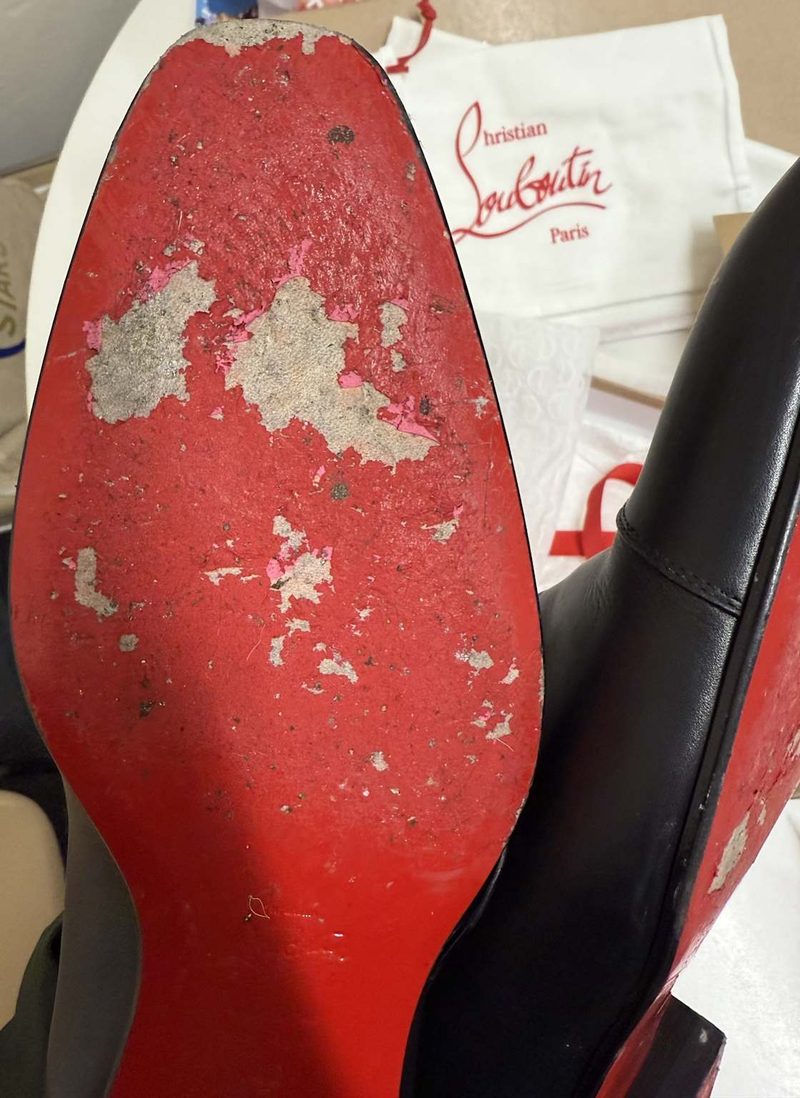
The signature red sole is created by applying lacquer over traditional European beige leather. The lacquer sits on the surface rather than penetrating into the substrate. That means friction strips it away from the very first step on any hard surface.
This is fundamentally different from a molded rubber outsole or a dyed-through material. The red finish is cosmetic — a thin, brittle layer designed for visual impact, not durability.
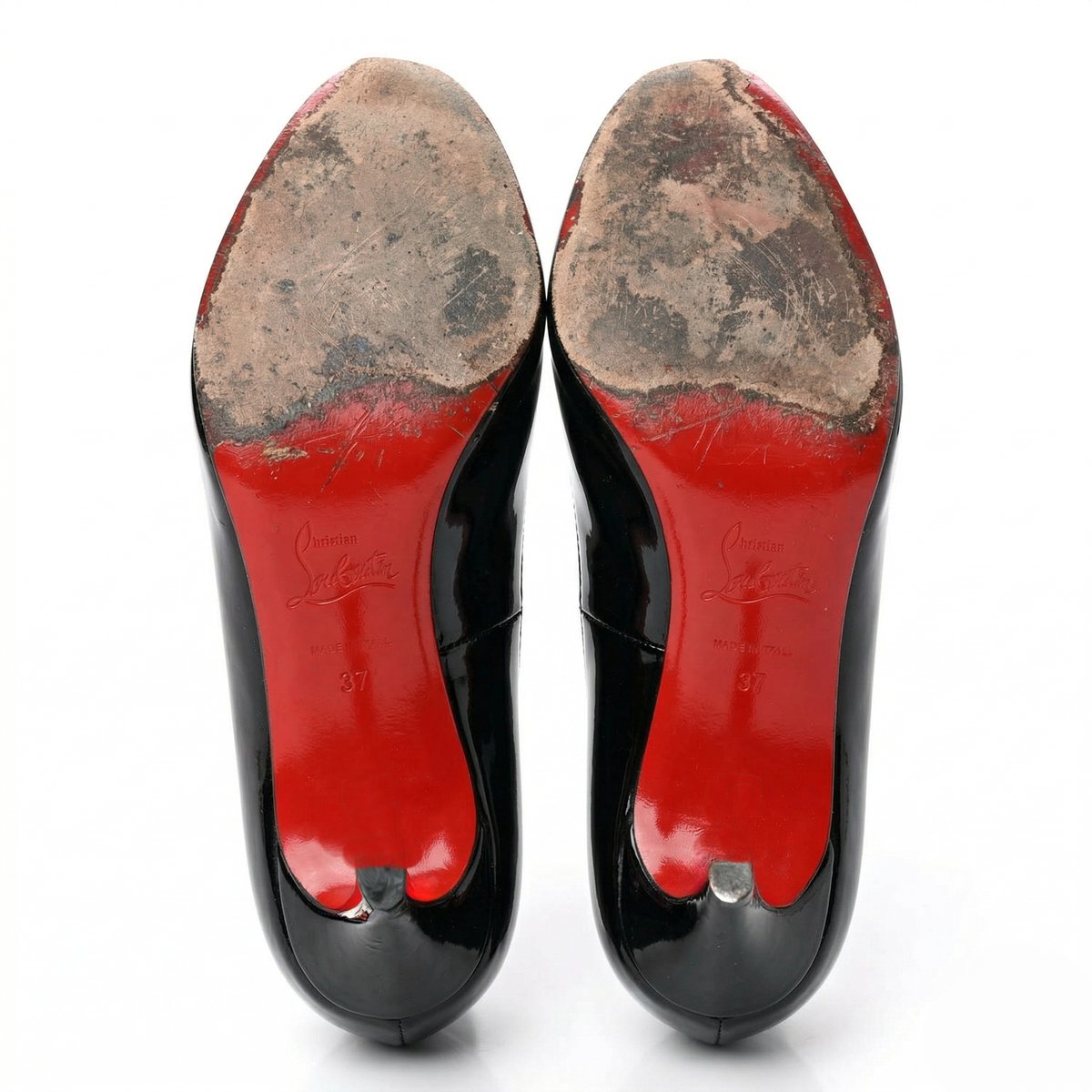
The damage is not evenly distributed. The ball of the foot and heel tip absorb the most friction and degrade fastest — sometimes within a single evening on rough pavement. The arch retains color longest because it rarely makes full contact with the ground.
The Variables
What Determines How Long the Soles Last
Indoor vs. Outdoor Wear
Indoor surfaces — carpet, smooth hardwood, polished stone — cause minimal abrasion. Owners who wear Louboutins exclusively indoors can preserve the lacquer finish for years. Outdoor pavement, concrete, and uneven stone are far more aggressive and can strip visible lacquer in a single outing.
Smooth Surfaces vs. Rough Pavement
The rougher the surface, the faster the red wears. Cobblestone, textured sidewalks, and gravel are particularly destructive. Polished floors and short-pile carpet cause negligible wear.
Dry Conditions vs. Wet Conditions
Moisture is particularly destructive. Leather soles are porous and soft — they absorb water and degrade exponentially faster when wet. A short walk across wet pavement can do more damage than several dry outings. Experienced owners treat wet conditions as the single most damaging variable.
Frequency of Wear
A pair worn once a month to indoor events will look pristine for far longer than a pair worn weekly to an office. Cumulative friction is the primary driver of degradation, and no amount of careful treatment eliminates it entirely for outdoor use.
Walking Style & Pressure Points
Gait determines where wear concentrates. Most people load the ball of the foot and heel disproportionately, which is why those areas degrade first. Heel tips carry a narrow surface under significant load and wear through fastest of all — a concern that applies to the plastic tip itself, not just the lacquer.
The Timeline
How Red Sole Wear Usually Progresses
Wear follows a predictable pattern. The ball of the foot shows dulling and light scuffing first. With continued outdoor use, the scuffing expands and the lacquer thins across the forefoot. The color becomes uneven — red in protected areas, faded or raw where friction is heaviest.
At the moderate stage, the original lacquer is visibly thinning and patches of the underlying substrate begin to show through. By the heavy wear stage, large sections of red are gone and the raw sole is exposed across much of the forefoot.
Severe wear means the forefoot has lost nearly all of its red finish, with deep abrasion and significant texture loss. At this point, the sole is well past cosmetic damage — the leather itself may need structural attention. For a detailed look at all four stages, see our guide to fixing red bottoms.
The Decision Point
When People Usually Repair or Restore Them
Owners generally fall into one of three camps. Some choose to let the soles wear naturally and enjoy the shoe without anxiety — only intervening when the leather itself is visibly degraded or the heel tip approaches the metal pin beneath it. This approach is particularly common among experienced owners who wear Louboutins primarily indoors.
A second group adds rubber half-soles (Vibram, TOPY, or Casali mirror) once the original red has worn through, protecting the leather underneath while accepting the visual trade-offs of an overlay. The community consensus is to wait until the lacquer has already worn before applying protection — adding rubber to pristine soles requires grinding away the original finish.
A third group pursues restoration: rebuilding the original visual character of the lacquer finish rather than covering or simply recoloring the sole. This approach aims to make the sole look the way it was designed to look — not like a repair. For more on whether your pair is still a candidate, see our guide to restoring worn Louboutin soles, or explore the full comparison of all eight repair methods.
For Reference
What That Wear Looks Like
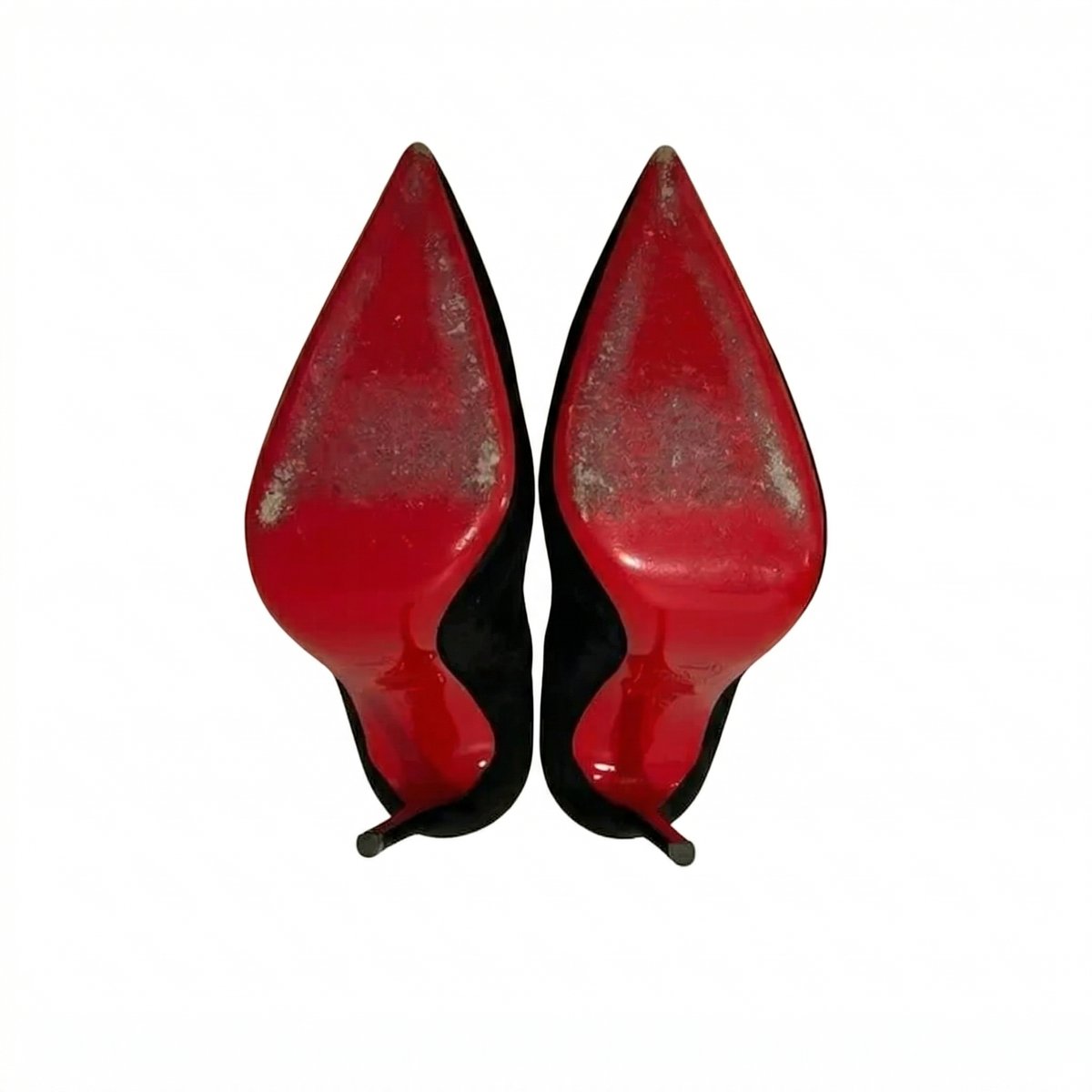
Light
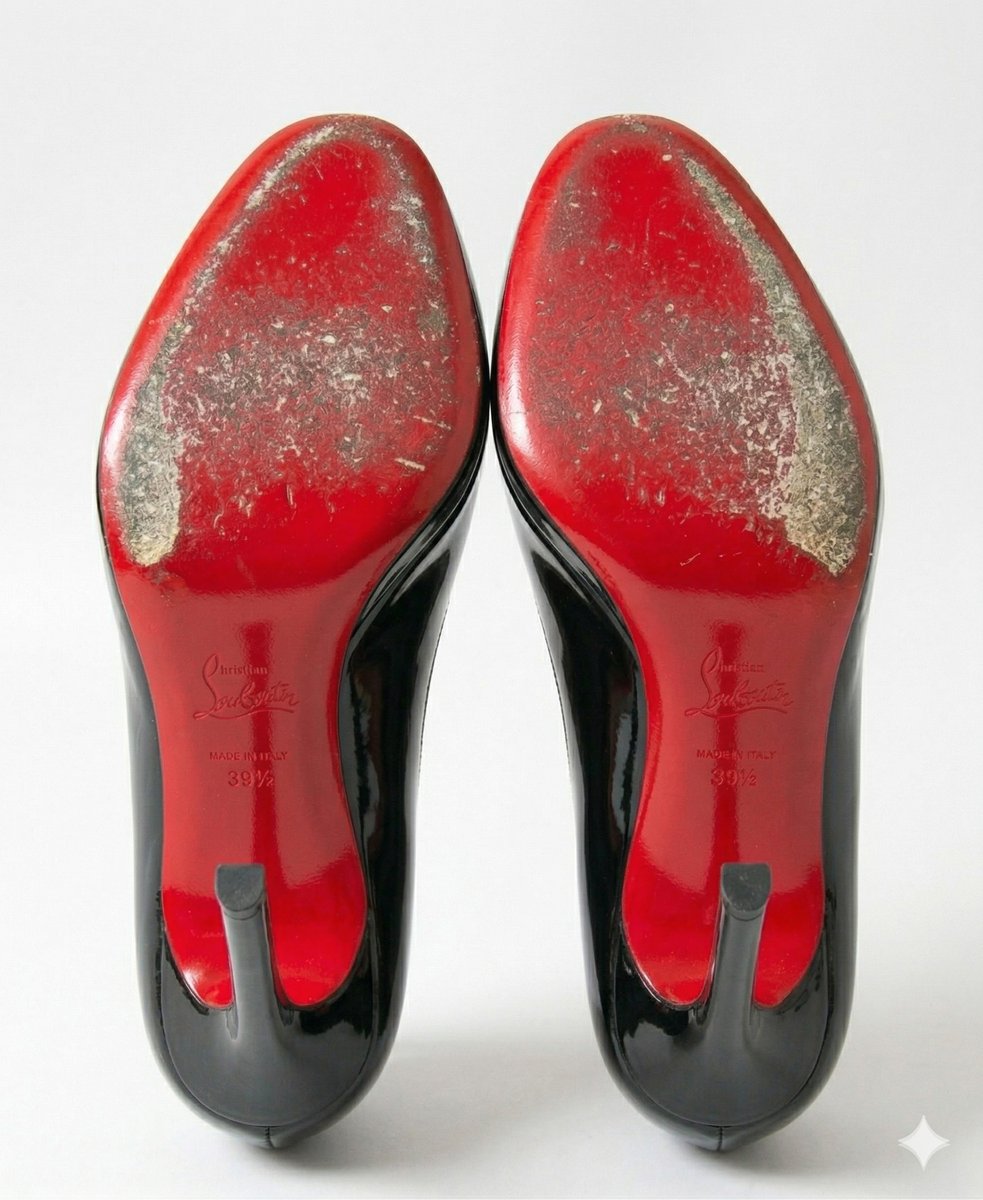
Moderate
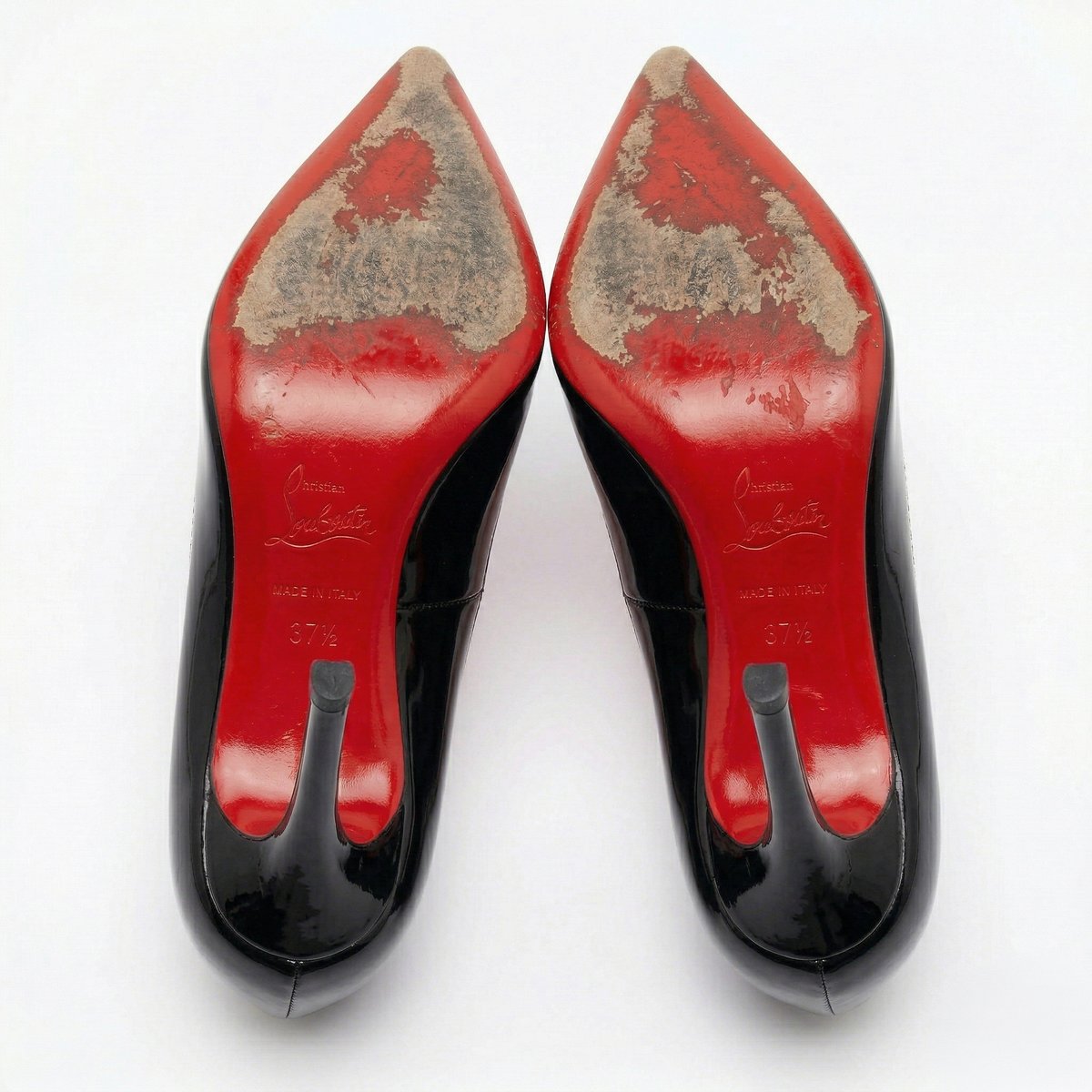
Heavy
Severe
Common Questions
Questions About How Long Red Bottoms Last
Are Louboutin soles supposed to wear off?
Yes. The brand's own product care page states that sole wear is normal, not a defect. The red finish is lacquer applied over leather — a cosmetic layer designed for appearance, not durability. Every pair will show wear with use.
Is it normal for red bottoms to scuff after one wear?
Entirely normal, particularly on rough or textured surfaces. Some owners report visible scuffing after a single evening outdoors. Indoor wear on smooth surfaces is far gentler on the finish.
Does wet pavement ruin Louboutin soles faster?
Significantly. Moisture is one of the most damaging variables. Leather soles absorb water and degrade exponentially faster when wet. Experienced owners treat wet conditions as the number one threat to the finish.
Do sole protectors make them last longer?
Rubber half-soles (Vibram, TOPY, Casali) protect the leather underneath and can last for years — but they change the appearance of the sole. Clear film protectors preserve the original look but last only one to two wears and risk pulling off the original lacquer on removal. For a full breakdown, see our comparison of protectors vs restoration.
Can worn soles still be restored?
Yes — even severely worn soles can be restored. The process involves rebuilding the appearance of the original red lacquer through surface preparation, layered color work, and finish refinement. Restoration is designed to make the sole look the way it was intended to look, not like a repair. For more detail on what restoration involves at each wear level, see our guide to fixing red bottoms.
Not sure what's right for your shoes?
Resole vs Repaint vs Protect vs Century — Which Option Is Right?Wear Is Normal. Bad Repairs Are Not.
Every pair of Louboutins will show wear eventually. What matters is what happens next. Restoration preserves the original visual character of the sole — the hue, the sheen, the depth — instead of covering it with rubber or painting over it with the wrong red.
Limited intake — request your restoration today.